


Shifts in politics and civil society are redefining everyday realities across the region: from regimes tightening control in Iraq and Turkey, heritage under attack in Afghanistan, and voices of resistance rising in Syria and Lebanon, people are refusing to give up. At the same time, entrepreneurs in Baghdad and Beirut are launching new ventures, demonstrating that innovation persists even in the face of economic hardship. Here’s what you may have missed:
Top Read Stories

With its youth vulnerable and militias entrenched, Iraq has become fertile ground for Russian recruitment into the war in Ukraine. Referenced by leading Iraqi media Al Sumaria, Faisal Saeed Al Mutar uncovered how desperation, corruption, and foreign influence are turning young Iraqis into cannon fodder for Russia’s army, dying in a war that has nothing to do with them. Middle East Uncovered was the first to break this news in Western media, while other outlets turned a blind eye.

As scrutiny mounts over hidden sugars and misleading marketing in leading baby food brands, local mothers in Lebanon are providing healthy homemade alternatives. Olivia Cuthbert spoke with some of the women disrupting the big brand baby food’s monopoly of Lebanon’s market.

Shabnam Nasimi documents how the Taliban are erasing Afghanistan’s cultural heritage by demolishing statues, looting archaeological sites, and neglecting treasures of the past. International law classifies these acts not as vandalism, but as crimes against humanity’s shared history.

Once the self-styled “Switzerland of the Middle East,” Qatar is discovering that hosting adversaries no longer ensures safety. Faisal Saeed Al Mutar shows how Israeli and Iranian strikes in Doha demolished the illusion of neutrality.

Her freedom finally came after more than two years in captivity. Ali Saray shows how Elizabeth Tsurkov’s release has only intensified fears of a showdown between militias, Israel, and the U.S. inside Iraq.

One year after Hezbollah’s leader was killed, Lebanon still bears the scars of his choices. His charisma drew millions, but his legacy is a nation left in ruins. This piece by Faisal Saeed Al Mutar drew international praise, including from Steven Pinker.

Saadoon Mohsen Damad unpacks how a new law reshapes family rights in Iraq, curtailing women’s legal protections, entrenching clerical authority, and consolidating tribal wealth. Beyond child marriage and custody, it signals a rollback of hard-won rights.
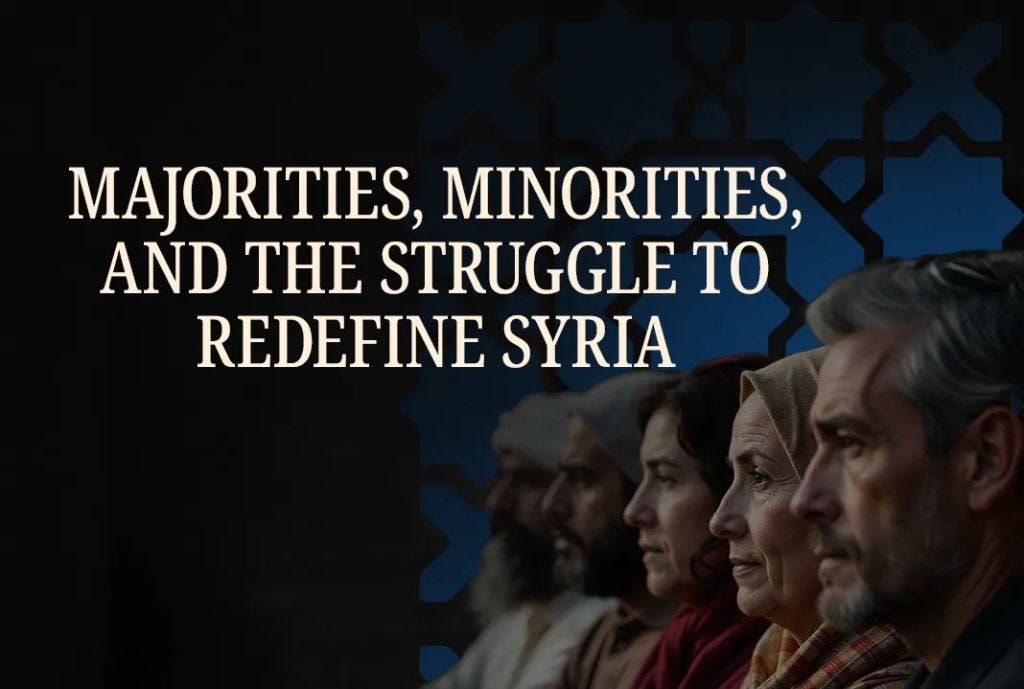
Ammar Abdulhamid argues that Syria’s future depends not on blame but on coexistence. His piece offers a sober rethinking of how diverse communities can move beyond grievance—a prerequisite for any stable Syrian state.

As massacres unfolded in southern Syria, Druze families in Britain shared their grief and pleaded for the world’s attention. Iram Ramzan reports from London on the anguish of a community watching the atrocities committed against their relatives from afar, and the broader implications for Syria’s future.

Medeni Sungur reports on the imprisonment of Istanbul’s mayor, once seen as Erdoğan’s chief rival. His detention revealed how far Turkey’s system has shifted from democracy to outright repression.
Also in September
Predation and Survival in Gaza’s Neighborhoods. Hamza Howidy on crime, community, and fragile civic order in Gaza.
“It’s Not a Protest, It’s a Scream.” Iram Ramzan on Israel’s growing anti-war movement.
Kurdish Eco-Activists Die Fighting Fires. Soran Mansournia on environmental defenders in Iran’s Zagros Mountains.
Liberalism Was Once Foreign to Europe Too. Mohamed Ali on how history shows liberal ideas can take root in the Middle East.
Middle East Uncovered is powered by Ideas Beyond Borders. The views expressed in Middle East Uncovered are those of the authors and do not necessarily reflect the views of Ideas Beyond Borders.