


“What It’s Like To Be” takes readers inside the lives of people working in remarkable and often demanding professions across the Middle East. Each installment offers an intimate look at the realities shaping their daily world. Look for WILTB in your inbox every Sunday morning.
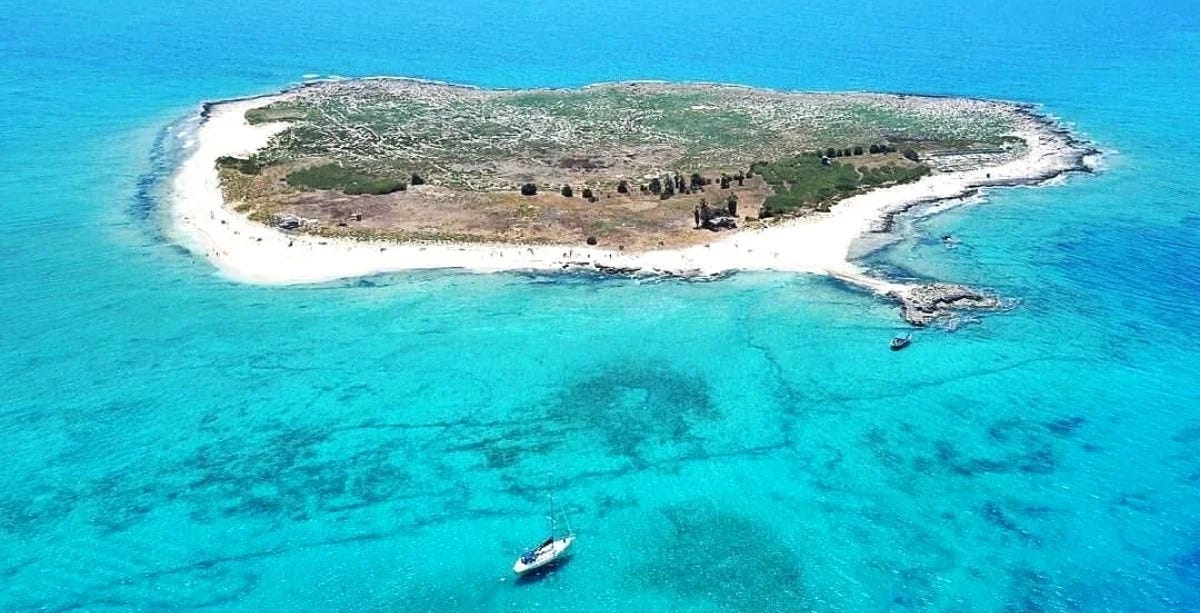
For most of the year, Rabbit Island in northern Lebanon is peaceful, its pale beaches and azure waters providing a sanctuary for rare plants and birdlife. After the polluted shores of the mainland, it feels like another world, but come summer, the calm is shattered as the idyllic retreat becomes a busy tourist resort.
From July to September, the visitor ban protecting the Palm Islands Nature Reserve in northern Lebanon is lifted, and day trippers flood in from the coast of Tripoli, eager to leave the noise of the city behind. Some even bring laptops, swapping the office for sea air and sunshine.
But within days of opening, the island’s two tiny beaches mirror their mainland counterparts, where plastic bottles, carrier bags, and chip bags wash in and out with the waves on the shore.
The tiny island, which measures 83,000 square feet, got its name from the introduction of rabbits for hunting during the French mandate. Today, the rabbits are long gone—though some claim to have seen their droppings—but the island remains a vital habitat for other species.
“There are plants here that are not grown anywhere else in Lebanon, endangered spiders and migrating birds, not to mention turtles that come to lay eggs on one of the beaches,” said conservationist Aziz Zawk.
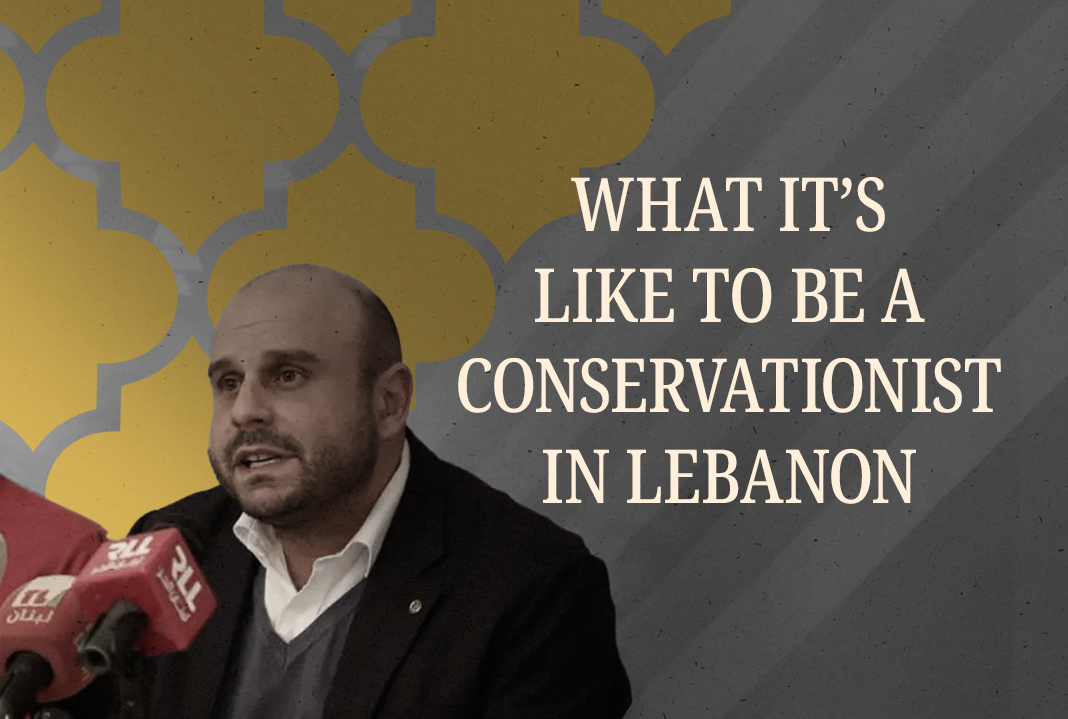
Zawk, 43, has tirelessly campaigned to protect Rabbit Island, balancing the right of people to visit with the delicate ecosystem it supports.
But tourist season takes a heavy toll. Hundreds of people arrive each day, littering the island’s beaches, dumping boat fuel off its shores, and trampling over wildlife. During one clean-up campaign, Zawk and his team shifted around 400 kilos of garbage a day. “I even found a fridge once,” he recalled.
Every year, he watches as the island sanctuary becomes another city park, polluted and parched, undone by the influx of human life. “It means a lot to me. If people knew how precious it was, I think they would treat it in another way,” he said.
An EU-funded eco project in 2019 channelled tens of thousands of dollars into measures designed to protect the island and its inhabitants, but little of the work had any lasting impact. Trash continued to pile up, fishermen decimated local fish populations, and people ignored new pathways, damaging rare plants and disturbing turtle nesting grounds.
Yet that hasn’t deterred Zawk, who believes inaction is the biggest threat when it comes to protecting Lebanon’s future. “This country is really special in terms of the environment. People just need to take it seriously,” he said.
Born in Cyprus and raised in Florida, Zawk first saw Lebanon through a visitor’s lens. Driving through the streets, he noticed soda cans and chip bags lobbed from car windows—a familiar sight for local Lebanese. “I was shocked. You don’t see these things in other countries,” he said.
Going for a walk in the forest one afternoon, he watched picnickers light a BBQ among the trees, ignoring the ban on open fires. When he passed the same way later, he noticed dirty diapers and debris from their meal strewn over the ground.
It was a turning point for Zawk. In 2009, he gave up his job as a marketing director in Dubai and joined a Lebanese NGO to work on environmental projects. Learning about Lebanon’s landscapes, he realized the extent of the challenges ahead.
Lebanon is witnessing severe environmental degradation, compounded by high pollution levels, poor waste management, and unsustainable quarrying practices that are eroding the coast. Systematic mismanagement and political inertia have exacerbated these problems, but in recent years the impacts have grown harder to ignore.
Wildfires have devoured vast swathes of land, inching closer to the highest reserves, where ancient cedar trees crown snow-capped mountains, some of them more than 3,000 years old.
Closer to sea level, pollution hangs in a thick fog over Beirut, where heavy reliance on diesel generators has contributed to rising cancer rates.
“We’re not at crisis point yet, but we are going to reach it in 20 or 30 years if we don’t do anything about the situation,” Zawk said.
In September, Lebanon launched its most comprehensive climate package to date, laying out plans to mitigate climate disruption and move closer to meeting the Paris Agreement goals. However, the ongoing economic crisis leaves limited resources for environmental policies.
Pressure is beginning to mount as ordinary Lebanese see the effects on their quality of life. But in a system that supports vested interests, sustainable development is not the priority. “When it comes to construction projects in Lebanon, it gets political. It depends on who is making money out of it,” Zawk said.
On the coast, untreated sewage mingles with industrial waste and agricultural runoff, creating a toxic sludge. Many Lebanese now avoid swimming as concerns mount over pollution levels that kill aquatic life and contaminate rivers.
Clean water should be abundant in Lebanon, yet the country currently faces its worst water crisis in decades. “Most countries get their water from other countries, while we have enough water to supply our citizens from our rivers, and we are polluting them,” Zawk said.
It’s the younger generation that spurs him on—the student activists and Gen Zers calling for change. “They come up with amazing ideas. When you find young people who understand the problems and what should be done, that’s when you know you should keep going,” he said.
He’s back in Cyprus now, working on a new project. Rising early every morning to walk his dog, he looks out across the Mediterranean towards Lebanon, just over 100 miles away.
His mind drifts to Rabbit Island and the unspoiled beauty spot that emerged during the clean-up campaign. For a brief period, it felt reclaimed, a place where wildlife flourished, and different species could coexist.
That daydream has evaporated now, but he won’t give up. After seeing forests burn, coastlines plundered, and beaches blanketed in trash, he believes the smallest efforts still matter. “I don’t care whether my name is associated with it or not, but I would like to make a difference,” he said. There is still time for change, but time is running out, and Zawk feels compelled to continue, despite the setbacks. “I sleep better at night doing what I do,” he said.
Middle East Uncovered is powered by Ideas Beyond Borders. The views expressed in Middle East Uncovered are those of the authors and do not necessarily reflect the views of Ideas Beyond Borders.