


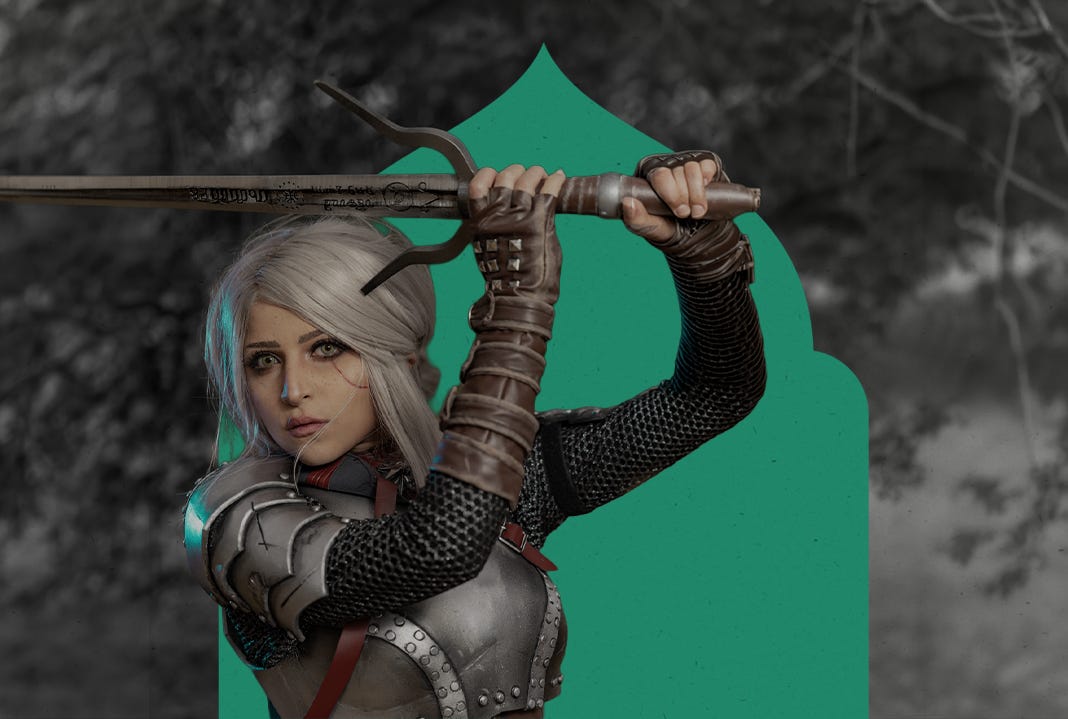
The wigs are styled, the armor is polished, and the props have been given their final coat of paint. Across Abu Dhabi, superheroes, villains, vampires, slayers, knights, dragons, and a host of other characters are preparing to come together for the city’s annual celebration of fandom.
On Friday morning, nerves will mingle with anticipation as cosplayers prepare to join the region’s largest gathering of pop culture fans. “It’s stressful at first, but once you step into the convention, the excitement kicks in,” says Anas Tamim, who is attending his fourth Middle East Film and Comic Con (MEFCC) this year.
The 39-year-old Palestinian first tried cosplay eighteen months ago and has quickly immersed himself in a scene that brings “sparkle and happiness” to his life in the UAE. He sees MEFCC as a place to meet like-minded fans and bond over shared interests. “Imagine finding someone who loves the same game, anime, or movie as you. Immediately you have something to talk about, not only for minutes, but for hours, days, or even months.”
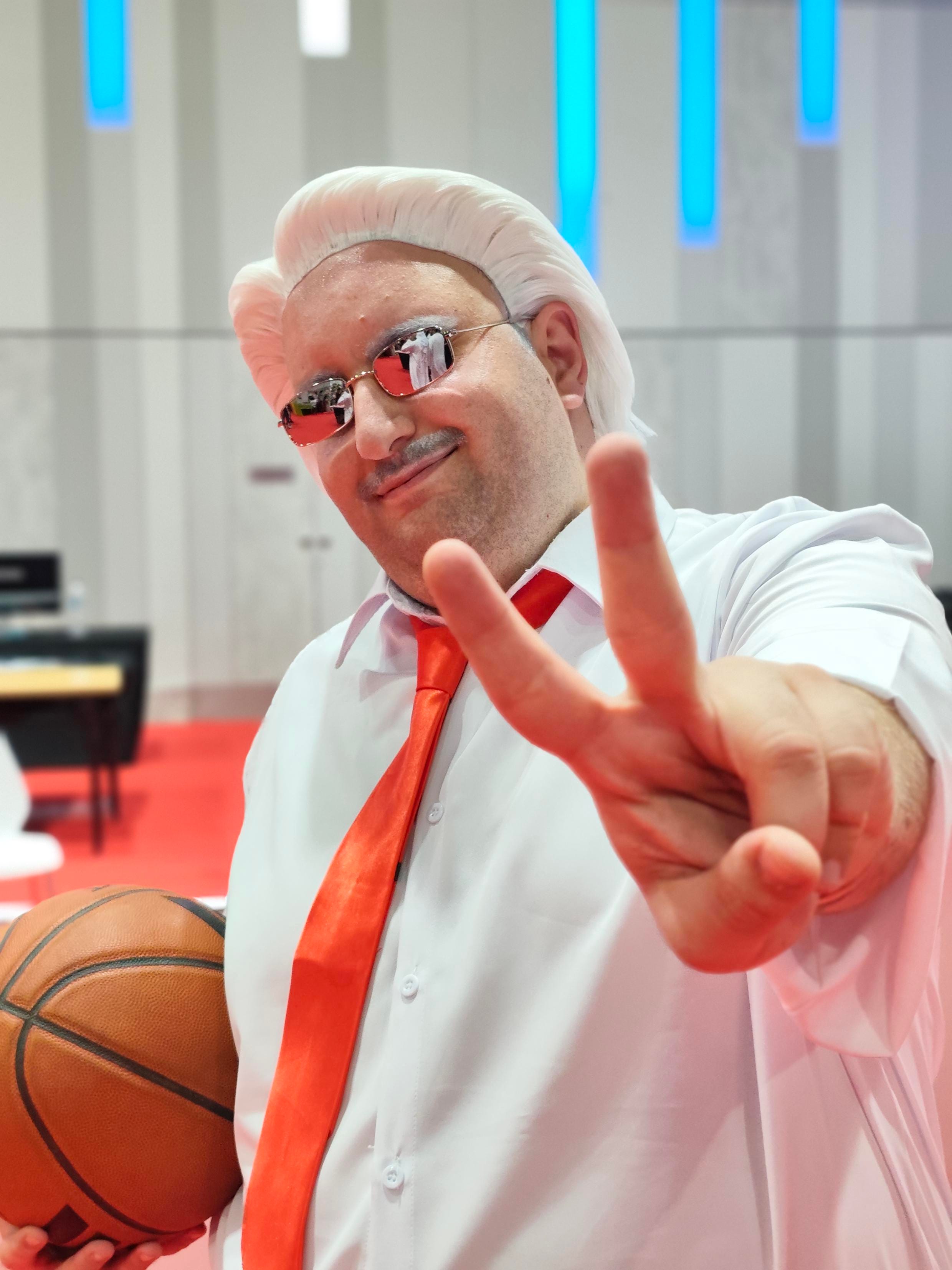
It’s also a chance to revel in people’s reactions to his costume. Accuracy is highly prized in cosplay, and Tamim looks uncannily like his character Taro Sakamoto from the manga Sakamoto Days. Tamim says it has earned him the nickname “Sakamoto of the Middle East.” “Whenever anyone sees me, they say, ‘Oh, you’re him. YOU ARE HIM!’ or ‘You are straight out of the anime itself!’”


Recognition is part of the thrill for cosplayers. “I get genuinely excited when someone recognizes the character; it always sparks great conversations about the game,” says Paris, an Emirati influencer and model. A regular at MEFCC, she is attending this year as the love interest of the vampire Sylus from the Chinese mobile game Love and Deepspace. Dressed in a gothic gown with a laced bodice and crimson bustle, she feels “quietly powerful.”
“Wearing this, I feel like Sylus’s equal,” she says.


As a teenager growing up in the UAE, few people shared Paris’ interests. In the early 2000s, enthusiasm for gaming and anime was seen as “weird.” Now, she celebrates her pop culture passions with pride alongside thousands of fellow fans at MEFCC. “Events like this help you find your community and build lasting friendships. People feel more open about their love for anime and gaming.”
Once considered a niche community on the fringes of fandom, cosplay, where people dress as figures from anime, comic books, films and video games, is having a moment. More than fancy dress, it offers fans an opportunity to embody their favorite characters and experience the fandom in a different way.
At MEFCC, the Cosplay Competition and parade draw people from across fandom communities, showcasing extraordinary artistry. For three days a year, Abu Dhabi becomes a global destination for fans as anime favorites from popular series like Demon Slayer and Chainsaw Man rub shoulders with sci-fi villains from Star Wars and classic comic book heroes like Superman and Batman.
Costumes also reflect the latest pop culture trends, with video games and anime, including Clair Obscur: Expedition 33 and Witch Hat Atelier likely to dominate the stage this year, says Light, a judge for the Cosplay Craftsmanship category.
The 31-year-old from Kuwait is a foam smith who makes props and costumes and sells patterns for her designs online. A single costume can take months to make, with crafters striving to match the original character as closely as possible.
Light specializes in props, using foam to craft weapons, armor, and accessories that look convincingly real. “I love seeing all the different pieces of a costume finally come together, especially when I get to bring the character to life through a cosplay photoshoot,” she says.
This year, she is debuting her Lightning cosplay from Final Fantasy, a costume that makes her feel “empowered and strong.” Conventions are an opportunity to get feedback from the wider community. “I’m very excited to finally share what I’ve been working on,” she says.


The growing popularity of pop culture across the Middle East has seen crowds at MEFCC balloon as the program expands to accommodate new trends and releases each year. Originally scheduled for April 2026, the 14th edition was pushed to September due to regional conflict. Organizers took the opportunity to expand the program and add to the line-up of stars, including WWE actor John Cena, K-pop Demon Hunters voice star Arden Cho, Marvel actress Pom Klementieff, Star Wars actor Joonas Suotamo, and One Piece actors Mackenyu and Jacob Romero.
The UAE government has quickly recognized the potential of fandoms, which have evolved from internet subcultures into mainstream drivers of cultural and economic growth. MEFCC is now seen as integral to Abu Dhabi’s tourism and culture strategy, with the event’s success cited as evidence of the government’s “commitment to fostering a vibrant and diverse cultural landscape.”
The event, which drew more than 38,000 visitors in 2025, “solidifies Abu Dhabi’s position as a leading destination for entertainment and cultural experiences,” His Excellency Saleh Mohamed Al Geziry, Director General for Tourism, DCT Abu Dhabi, said last year.
The UAE’s pivot towards pop culture is part of a broader push across the Gulf to turn gaming and fan culture into economic assets. In a region with a young and digitally connected population, governments are investing heavily in infrastructure and industries to support the sector.
In August, Saudi Arabia’s $55 billion acquisition of gaming giant Electronic Arts (EA) was the latest high-value demonstration of the Gulf’s ambition to become a global force in gaming. The deal is part of a wider drive to build gaming ecosystems that shift the region from consumer to creator, fostering a homegrown industry with global reach.
At MEFCC, Artists Alley and the Comic Creators Club give local talent space to connect with professionals and showcase their work to large audiences. Fans can meet the people behind pop culture and watch live illustrations, pitch concepts to publishers, get professional critiques, buy exclusive cover art, and collaborate on indie zines.
Aokiji, a professional cosplayer who attends conventions around the world, welcomes the “more global and connected cosplay culture developing in the region.”
“Sometimes you don’t even need to speak the same language perfectly. A costume, a pose or simply recognizing a character can be enough to start a friendship. That’s what I find so beautiful about fandom. It creates a common language between people who might otherwise never have met,” he says.
Invited to be a judge in the Cosplay Competition, Aokiji is attending MEFCC for the first time this year. “Cosplay is no longer just a hobby happening in isolated communities. It has become a real international creative industry, and seeing the Middle East becoming such an important part of that evolution is really inspiring.”
For Fahd Bahaj, who grew up in the UAE and is attending his tenth MEFCC, the annual Cosplay Competition is always the highlight of the show. Participants compete in different categories for a prize pool worth AED 60,000. But it’s about more than the money. Appearing in costume is like a “sugar rush” for Bahaj, who relishes the feeling of connection with like-minded cosplayers.
“It makes us feel free. People can judge, of course, but you are surrounded by people who enjoy the thing you do.”
At MEFCC, Cosplay Central caters to what organizers describe as the most “passionate, expressive and energetic fans” at the event. Professional cosplayers and stars of the international scene join everyday enthusiasts for a spectacle that resembles a who’s who of international fandom. “The heartbeat of this convention has always been the community that gathers under one roof to celebrate their passions without limits,” Loy Pinheiro, show director of MEFCC, told The National.
While cosplay is celebrated as a space for uninhibited expression, festival guidelines are explicit on the need to respect UAE cultural norms. Offensive or revealing attire is discouraged, while costumes that veer into religious, political, or culturally sensitive territory are banned. Rather than avoid certain characters, cosplayers swap tips on ways to adapt costumes by adding armor or layering clothing.
“It’s about finding the right balance between expressing yourself and being respectful of the place you’re in,” says Tamim. “As a cosplayer, I feel I can be myself and enjoy what I love while still respecting the local culture.”
He believes that cosplay shows a different side to Abu Dhabi, brushing aside the conservative past of a city that is repositioning itself at the cutting edge of contemporary culture. “I think the UAE has grown a lot over the past 15 years. It’s become more diverse, welcoming, and actively participating on a global level. There’s a much stronger sense of community now.”
While the UAE’s pop culture scene is certainly growing, the country has yet to develop a distinct fandom identity, with most of the dominant trends still drawn from global pop culture. UAE comic book studio Sandstorm Comics platforms local artists, but more institutional backing is needed to bolster recognition for regional and Emirati talent, says Paris, an ambassador for MEFCC.
The 2026 event features a stronger focus on local and regional creators, with Artist Alley offering exposure to up-and-coming artists, alongside the big brand names that typically dominate the convention circuit. But while the local presence is growing, “it hasn’t yet reached the level of dominating the international lineup,” Paris says.
“I’d love to see broader government support, specifically funding for Emirati cosplayers to compete internationally.”
This year, her whole family is visiting MEFCC for the first time, including her nephews who are inspired by her cosplay. Two decades on, the teenager who felt othered by her niche interests is now a model and influencer for a community at the forefront of a national drive to elevate her country’s cultural status. “I really appreciate how the government supports these events,” she says. “It shows the younger generation that pop culture has real potential.”
Middle East Uncovered is powered by Ideas Beyond Borders. The views expressed in Middle East Uncovered are those of the authors and do not necessarily reflect the views of Ideas Beyond Borders.